
The Last Codon
Welcome to Helixa’s Blog, The Last Codon, where we publish about the latest developments in science, biology, biotechnology, and pharma. Always with a critical eye and a spark of social critique.
Search for articles here
Why your life science website gets no visitors, and how an SEO blog fixes it
What happens when your prospects search for the problems you solve? Learn how a life sciences SEO blog helps them find your company before they know your name.

How to use LinkedIn to get cited and recommended by AI
Learn how to get AI to recommend you from your LinkedIn activity. Understand what you can do to get featured in AI searches and the two types of queries that you can get featured in.

Why batching LinkedIn content creation is the best way to learn and grow
Most people write LinkedIn posts off the cuff, whenever they have time, and oftentimes end up with a rambling mess. The trick is simply to sit down and write many posts in one sitting. Read on to know why and how to batch your LinkedIn content creation.

Genius or Insane?
A story from my PhD about mental health and what the current system does to scientists


The risks of AI-generated content for agrobiotech companies on LinkedIn (and what to do instead)
AI-written LinkedIn posts can kill reach, trust, and sales for agrobiotech companies. Learn what changed in the 2026 algorithm and what to post instead.
How to start posting on LinkedIn (and actually enjoy it) if you work in life sciences
LinkedIn can feel performative, especially in life sciences. This article serves as a guide to scientists, medical writers, and biotech leaders, explaining how to start posting, share real stories, and use the platform intentionally without hating the process.
How life science professionals can start posting more human content on LinkedIn
If you work in life sciences, you probably know LinkedIn matters but hate how performative it can feel. This guide gives you simple questions and habits to share more human stories, post consistently, and turn engagement into real conversations.

Trust, Business, and AI
Business requires trust between two parties. AI erodes that by producing sycophantic and overly confident answers. Explore how I think this affects trust and business.
in silico NAMs and AI's Role In the Future Without Animal Testing
Following UK and FDA announcements phasing out animal testing in 2025, in silico NAMs, including AI, PBPK modeling, digital twins, and QSP, are transforming drug discovery.
But it is not about single experiment, but about how evidence is generated, combined, and trusted across the development pipeline. Much of that change sits within what are known as in-silico new approach methodologies, or in-silico NAMs.
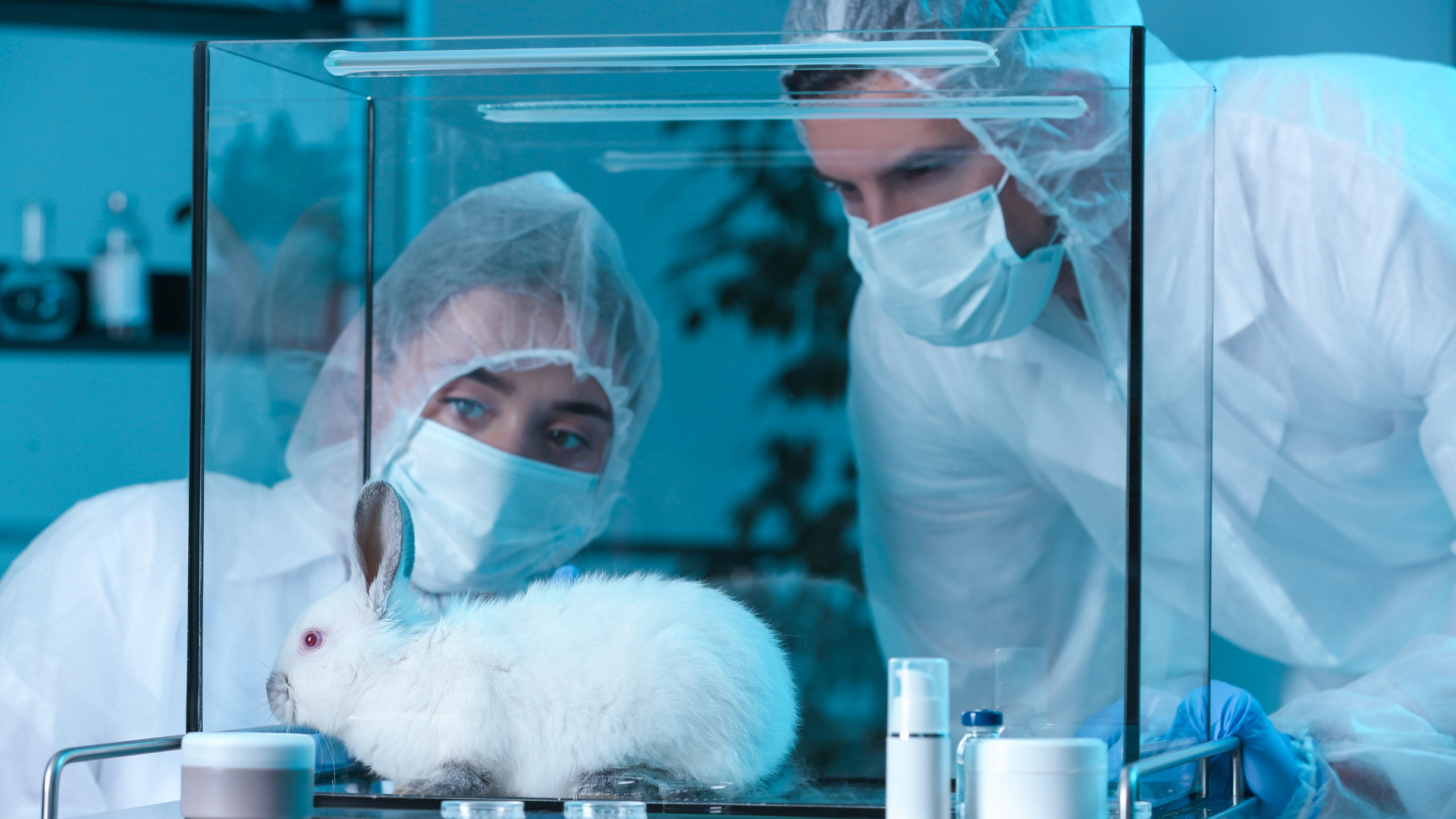
Organoids and Organ-on-a-Chip: The Technologies Replacing Animal Testing
On 11 November 2025, the UK government announced plans to phase out animal testing for drugs. This follows the US FDA's decision from earlier this year to reduce animal testing requirements for monoclonal antibodies and other therapies.
These regulatory shifts are more than policy changes. They represent recognition that two technologies, organoids and organ-on-a-chip systems, have matured enough to serve as viable alternatives to animal models in drug development.

Is AI Actually Working in Biotech and Pharma? The Good, the Bad, and the Ugly
Is artificial intelligence (AI) in biotech and pharma just hype, or are we seeing true breakthroughs in drug discovery? Headlines tout billion-dollar deals, supercomputers for research, and high success rates for AI-designed molecules. But as some AI biotechs collapse, the risks and results are less clear. Read on to see what the data says.

When Science Communication Starts With a Real Conversation
When real conversations lead the way, science communication comes alive. Our collaboration with Holissor, a biostimulant innovator, shows how storytelling, research, and sustainability can grow lasting connections.

The Science Behind Scientific Communication
Discover how clear, scientifically accurate content for life science companies drives funding, leads, and conversion. Learn why life sciences companies invest in expert scientific communication and the measurable impact on research visibility and business growth.

Science in Stories: Making Hard Concepts Understandable
Ever read a science article and felt totally lost? You're not alone. This blog shows how to turn complex breakthroughs into simple, fun, and relatable stories. With easy examples and real talk, you'll see how science can actually make sense—and even be enjoyable!

A Bacterial Twist: When Ocean Life Feeds the Land
A newly discovered Bradyrhizobium strain from the ocean has surprised scientists by forming nitrogen-fixing nodules in terrestrial plants. This marine bacterium bridges the gap between sea and soil, revealing evolutionary links and offering new tools for sustainable agriculture in saline and nutrient-stressed environments.

Biotechnology’s Walking Dead
Have you heard about “zombie” biotech companies? These are companies whose value becomes lower than their cash reserves. And there is a new breed of company , lurking in the shadow of innovation, ready to hunt biotechnology's most vulnerable targets. Read on to find out more about the economic battlefield shaping innovation in the biotech and pharma industries.
The GLP-1 Revolution
The global obesity “epidemic” has sparked a pharmaceutical transformation, with GLP-1 receptor agonists emerging as the most effective drugs for weight management. Learn more about how this started, the current players, and the future market forecast!
Biology Education Is Dead. Long Live LLMs
With students using ChatGPT to complete essays, the job market in tatters for entry-level scientists, and more and more investment on AI-biology research, what is the future of education in biology and related fields? Are we to stop students from using AI, to keep teaching them in the same way we have for so long? I say that is no longer possible.
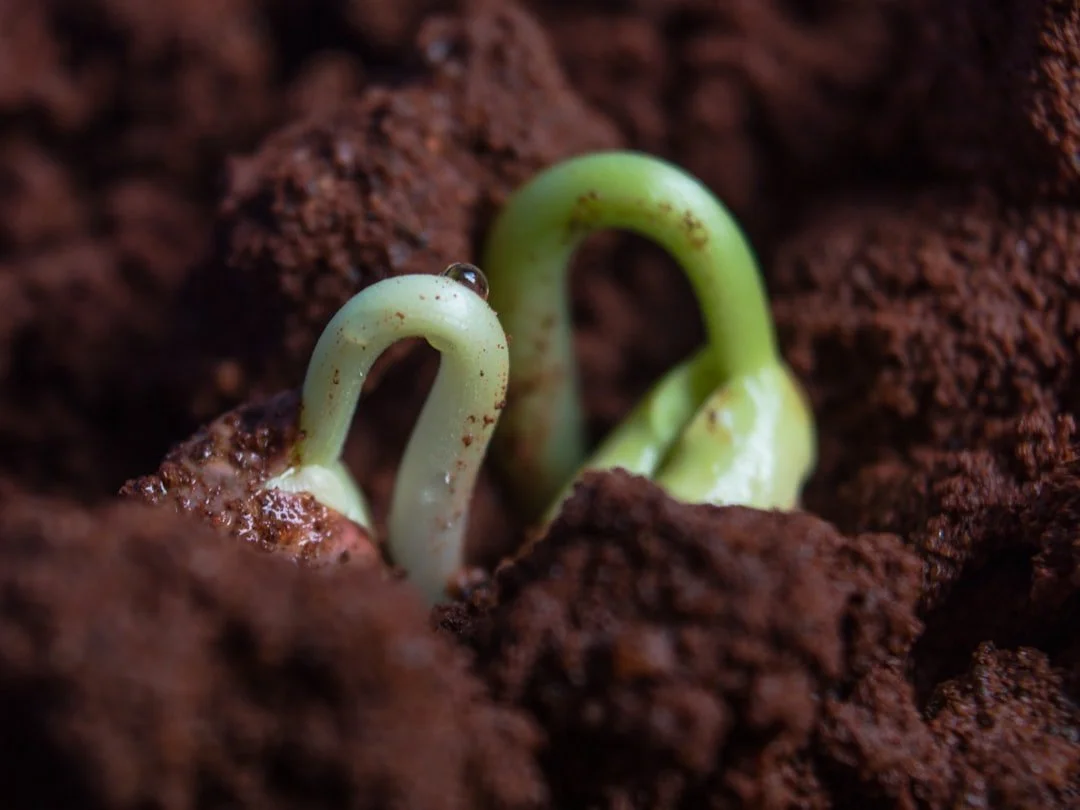
The Invisible Farmers: Microbes That Shape the Future of Seeds
Discover the groundbreaking role of microbes in seed germination and crop growth. Learn how beneficial bacteria and fungi are shaping the future of agriculture by enhancing germination rates and combating pathogens.